
Panel Upgrades & Electrical Safety: Ensuring Code Compliance for EV Chargers
It was late at night when I experienced a terrifying flicker in my home’s electrical system. My EV charger suddenly surged, and I had that sinking feeling in my gut—what if I’d overlooked something crucial? That moment was a wake-up call. I realized that many homeowners jump into installing or upgrading their EV charging stations without fully understanding the importance of proper panel upgrades and strict code compliance. Trust me, it’s not just about plugging in a charger and hoping for the best. Neglecting electrical safety standards can lead to dangerous situations, costly repairs, or even fire hazards. As an enthusiast who’s learned the hard way, I promise that addressing these issues proactively will save you stress and potential disaster.
Protect Your Home and Love Ones by Jumpstarting with Proper Panel Upgrades
If you’ve decided to add an EV charger to your home, the first step is to assess whether your existing electrical panel can handle the increased demand. Many older panels aren’t equipped for the higher amperage needed for EV charging, which is a recipe for problems down the line. A proper upgrade isn’t just about capacity; it’s about ensuring your installation meets local electrical codes and safety standards. In fact, the National Fire Protection Association states that improper electrical installations are among the leading causes of home fires (NFPA, 2023). This underscores why a professional assessment and upgrade are so crucial. To help you navigate this process, I’ll walk you through the key steps to ensure your panel is ready—because your safety and peace of mind depend on it. Curious if your current panel is up to the task? Let’s explore how to find out and what upgrades might be necessary.
Assess Your Current Electrical Panel
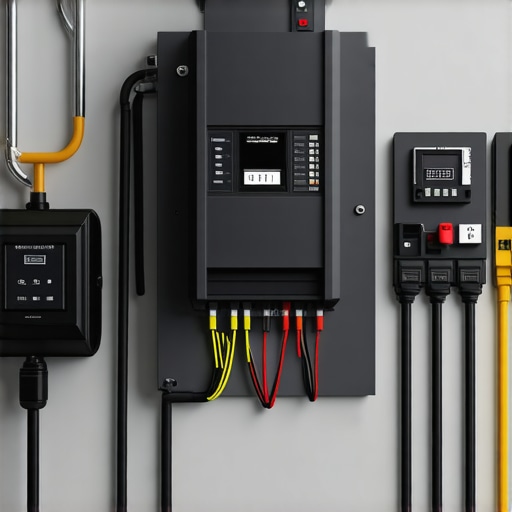
Start by turning off the main breaker and carefully removing the panel cover to inspect your existing setup. Look for age, capacity, and whether it can handle additional load. I once found an old 100-amp panel in my basement, which clearly wouldn’t suffice for a new EV charger. Use a digital multimeter to measure voltage and check for signs of corrosion or damage. If unsure, consult the detailed instructions on panel upgrades for EV chargers. This assessment saves time and prevents risk of overload or fire.
Many homeowners believe that installing an EV chargers is as simple as plugging it in or following basic guidelines. However, this misconception can lead to significant safety risks and code violations. One widespread myth is that a standard residential panel can handle any level of EV charging without upgrades. In reality, most older panels lack the capacity or proper circuit breakers for high-demand EV chargers, increasing the risk of overloads and fire hazards. To avoid this, a thorough assessment of your current electrical system is essential, and upgrading your panel might be necessary. Many overlook the importance of strict code compliance, which isn’t just bureaucratic red tape but a cornerstone of electrical safety. Failing to verify compliance can nullify insurance or lead to failed inspections, resulting in costly rework. Don’t assume that your local codes are the same as national standards; always consult your local electrical authority or a professional. An advanced mistake often made is neglecting the nuances of troubleshooting and ongoing maintenance. For instance, many troubleshooters focus only on the charger itself, neglecting wiring issues, grounding problems, or software glitches that can cause persistent faults. Regular inspections and using expert troubleshooting guides, like the ones provided by Bright Spark Electric, can help you identify the less obvious issues that compromise your system’s safety and performance.
What Are the Hidden Risks of DIY EV Charger Installations Despite Following Checklist?
One overlooked risk is that improper installation voids warranties and compromises safety standards, leading to potential liability issues. Moreover, a DIY approach often neglects the importance of proper wire sizing, proper grounding, or adherence to latest electrical codes. That’s why consulting resources like expert troubleshooting tips and engaging licensed electricians enriches your knowledge and ensures safety. Remember, a small mistake can escalate into a major safety hazard, which is why professional guidance and adherence to the most current standards are indispensable. Have you ever fallen into this trap? Let me know in the comments.Once you’ve successfully upgraded your panel, adhered to code compliance, and installed your EV charger, the next crucial step is ensuring it remains functional and safe over time. Regular maintenance of your electrical system can prevent unexpected failures, extend the lifespan of your equipment, and keep your home safe. Personally, I rely on a combination of advanced tools and routine checks to stay ahead of potential issues. One device I swear by is the Fluke 1654 FC Power Quality Analyzer. This portable tool allows me to monitor voltage stability, identify harmonic distortions, and detect power surges that could jeopardize my charging setup. Its ability to log data over extended periods helps pinpoint insidious problems that aren’t immediately apparent. Investing in a reliable multimeter, like the Klein Tools MM6000, complements this approach by enabling quick, on-the-spot voltage and current checks during inspections. For software, I recommend using dedicated electrical monitoring apps such as Schneider Electric’s Power Monitoring Expert, which provides real-time insights and alerts for anomalies, ensuring your system stays within safe operational parameters.
Given the evolving nature of electrical standards and technology, I foresee a future where smart, integrated monitoring systems will become mainstream, offering automatic diagnostics and even predictive maintenance. This will greatly reduce manual checks and facilitate proactive repairs.
### How can I keep my EV charging system functioning smoothly over the years?
Regular inspections are key. Schedule a professional assessment annually to review wiring integrity, grounding connections, and overall system performance. Keeping software firmware updated ensures compatibility with new standards and enhances security. Additionally, adopting diagnostic tools like the Fluke 1654 FC can help detect subtle issues before they escalate. Remember, troubleshooting should not be a chore but a proactive measure—tools that offer comprehensive diagnostics significantly simplify this process. I encourage you to try integrating a power quality analyzer into your routine to ensure peak performance and safety. If you’re unsure where to start, reaching out to licensed electricians via resources such as their contact page can provide personalized recommendations and support.
What I Wish I Knew Before Starting the Upgrade Journey
One of the toughest lessons I learned was the importance of never underestimating the complexity of electrical upgrades. Early on, I believed a simple swap or quick fix would suffice; however, I quickly realized that adherence to current codes and standards isn’t just bureaucratic red tape—it’s vital for safety. I once overlooked grounding issues that nearly led to a dangerous fault, underscoring why thorough inspections and professional guidance matter. Every mistake, no matter how small it seems at the time, can have long-term safety repercussions, making education and careful planning essential pillars of the process.
Tools and Resources That Elevated My Confidence
Over the years, I’ve come to rely on certain tools and references that streamline the upgrade process. The Fluke 1654 FC Power Quality Analyzer has been a game-changer, providing real-time insights into voltage stability and power quality, which are critical for safe EV charger operation. I also trust resources like the comprehensive guides on panel upgrades for EV chargers and the detailed troubleshooting tips available through Bright Spark Electric. These sources ensure I stay updated with the latest standards and best practices, keeping both my home and loved ones safe.
Why Prioritizing Safety Transforms Your Charging Experience
Embracing proactive safety measures isn’t just about compliance; it transforms how you connect with your electric vehicle. When I focused on thorough upgrades, strict code adherence, and regular checkups, I noticed a peace of mind that made charging feel effortless and secure. This mindset shifted my approach from reactive to preventative, allowing me to detect issues early—saving money, stress, and potential hazards. I encourage you to adopt this perspective and see safety as a continuous journey rather than a one-time setup. Remember, your home is your sanctuary, and proper electrical practice preserves that sanctuary for years to come.